Unique Architectural Wonders of Dubai: A Closer Look


Intro
Dubai stands as a marvel of architectural ingenuity, pushing the boundaries of what buildings can represent and achieve. Its skyline, filled with soaring structures and distinctive designs, tells a story of rapid growth and ambition. Each unique edifice is not merely a structure, but a blend of culture, modernity, and innovation that signifies the spirit of this vibrant city.
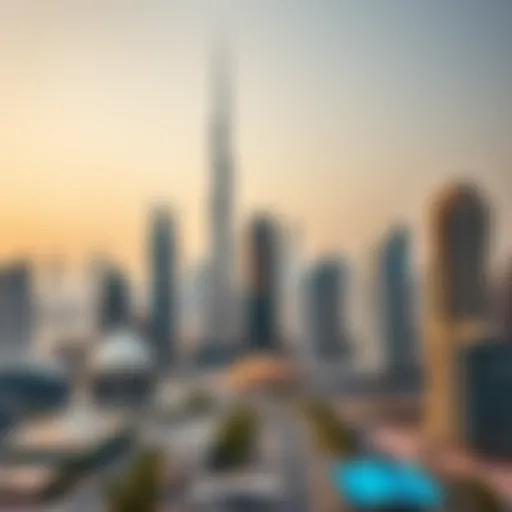
From the iconic Burj Khalifa, which dominates the skyline, to the avant-garde designs of the Museum of the Future, Dubai's buildings reflect its evolution as a global hub for business and tourism. This article will take you on a journey through the city's unique architectural landscape, offering insights into their design philosophies, cultural significance, and the impact they have on urban life.
In exploring these aspects, we will delve into how these buildings are shaping current market trends and offering investment opportunities. Understanding the interplay between architecture and the real estate market is essential for investors, agents, buyers, and analysts alike.
With a closer look at the current market analysis and future predictions, alongside the identification of high-return areas and emerging neighborhoods, this narrative serves not just as an exploration of buildings but also as a guide to opportunities within this dynamic urban environment.
Ultimately, this exploration of unique buildings in Dubai provides a lens through which we can appreciate the architectural brilliance that characterizes this extraordinary city, while also understanding their roles in the broader real estate landscape.
Preface to Dubai's Architectural Landscape
Dubai stands as a remarkable example of how architectural ambition can transform the identity of a city. The skyline, adorned with a medley of structures, reflects a rich tapestry of influences, cultures, and innovative ideas. This introduction explores various facets of Dubai’s architectural landscape, emphasizing its significance and unique characteristics.
The journey through Dubai’s buildings isn't just about aesthetics; it’s about understanding how architecture narrates the story of a city's evolution. From its humble beginnings as a fishing village to swelling into a global hub of trade and tourism, architecture in Dubai mirrors this transformation while catering to a vastly diverse population. The buildings here do not merely serve functional purposes; they help shape the cultural discourse and community identity.
Historical Context
When you step into the world of Dubai's architecture, it's crucial to grasp its historical underpinnings. The spice-scented winds of history echo through the city streets, telling tales of its early settlers and the profound changes that have transpired. Traditional Emirati architecture once dominated, featuring structures made from coral stones, palm fronds, and mud. These earthen homes symbolized resilience against the sometimes harsh desert environment.
As oil was discovered in the mid-20th century, Dubai entered a new phase. Economic prosperity catalyzed architectural progress, moving swiftly from simple structures to glimmering skyscrapers that punctuate the horizon, such as the Burj Khalifa. This swift evolution wasn't merely about creating luxury; it represented the rapid industrial and economic growth that every new structure supported. Today, the city's buildings showcase diverse influences, from Islamic design elements to input from international architects, illustrating an amalgamation of tradition and modernity.
The Role of Architecture in Urban Development
Architecture plays a pivotal role in the urban fabric of Dubai, acting as both a mirror and a mold for urban development. Each building aids in crafting a narrative of progress, balancing the needs for housing, commerce, and leisure while respecting cultural heritage.
Rather than following a monotonous plan, Dubai has embraced an innovative approach to urban design, where structures often push the limits of creativity. This sometimes leads to vibrant districts where iconic landmarks like the Dubai Mall and the Dubai Opera coexist, drawing tourists and residents alike.
"Dubai’s unique architectural identity can attract investors who are keen on futuristic developments and designs that break the mold of traditional city layouts."
In essence, the architectural endeavors in Dubai contribute significantly to its urban development through both economic and social lenses. Investors and analysts have recognized this vital role as it shapes the market dynamics, providing opportunities and insights into future real estate potential. The city's distinct architectural landscape not only fuels tourism but also forms the bedrock for ongoing residential and commercial growth, making Dubai a focal point in global urban development discussions.
As one navigates this incredible city, it becomes clear that understanding the architectural landscape of Dubai is imperative. It enriches one's appreciation for the buildings that define the skyline and provides insights into the broader themes of growth, identity, and innovation.
Significant Styles of Architecture in Dubai
In Dubai, the architectural landscape is not just about tall buildings and lavish designs; it's a vivid canvas displaying how globalization intersects with local heritage. Significant styles of architecture in Dubai showcase the city’s evolution, reflecting a dynamic interplay of cultural influences and modern innovations. These styles serve not only aesthetic purposes but also convey deep meanings rooted in Emirati identity, community values, and economic aspirations. Investors and analysts looking at Dubai's real estate should be particularly attuned to how these architectural styles impact property values and market demand.
Islamic Influence
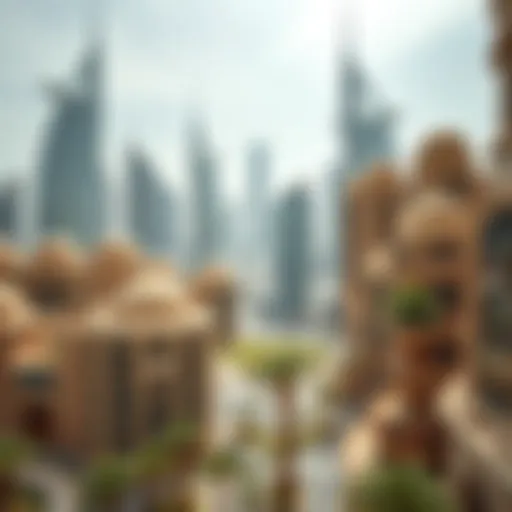
Islamic architecture in Dubai denotes more than just a style; it embodies the spiritual and cultural ethos of the region. This influence is beautifully woven into the city’s fabric, evident in structures like the Jumeirah Mosque and various public buildings adorned with intricate tile work.
A key element is the use of geometric patterns and calligraphy, which are not merely decorative but also serve to enhance spiritual meanings. Arched doorways and courtyard layouts demonstrate functional designs that promote social interaction while adhering to privacy norms typical in traditional Islamic societies.
- Materials: In historic stone structures, materials like coral and gypsum are used, which connect the present to the past.
- Design Elements: Features such as minarets and domes inspired by historical mosques not only signify religious aspects but also represent a deep respect for heritage.
"Islamic architecture reflects the soul of Islamic culture, and in Dubai, it stands shoulder to shoulder with the modern."
Incorporating these elements allows for a dialogue between the past and the present, and is a crucial consideration for anyone looking to invest in or design property in the region. Assessing how these cultural touches add value can provide insights into long-term investment returns.
Contemporary Designs
On the flip side, contemporary architecture exudes a spirit of innovation and forward-thinking—critical traits that the city embodies. Buildings such as the Burj Khalifa and the Museum of the Future showcase daring designs and cutting-edge materials.
- Sustainability: Many modern structures are designed with sustainability in mind. Features like energy-efficient systems and green roofs indicate a shift toward environmentally responsible architecture.
- Technology Integration: The use of tech in design not only enhances functionality but also makes the spaces flexible, catering to evolving urban needs.
This shift also promotes a sense of community. For example, designs that allow for open public spaces encourage social interactions, which foster community ties. Investors keen on understanding shifts in real estate dynamics must consider how these contemporary designs offer transformative living experiences.
In summary, the architectural styles prevalent in Dubai—both Islamic and contemporary—act as mirrors showcasing the city’s journey from rich tradition to modern marvels. They demand a keen eye from investors and analysts to gauge how such stylistic elements directly impact market trends and the future of urban development.
Iconic Skyscrapers
Skyscrapers are more than just tall buildings; they are symbols of a city’s identity, innovation, and ambition. In Dubai, iconic skyscrapers epitomize these qualities, playing a pivotal role in defining the city’s skyline and attracting global attention. These towering structures not only serve as functional spaces but also as landmarks that evoke awe and fascination. They reflect the culture, aspirations, and technological advancements of their time, making them central to Dubai's architectural narrative.
Burj Khalifa
Burj Khalifa is not merely a skyscraper; it is a statement of what can be achieved through vision and perseverance. Standing at 828 meters, it is officially recognized as the tallest building in the world. This architectural marvel, designed by Adrian Smith of Skidmore, Owings & Merrill, features a unique triple-lobed footprint inspired by the Hymenocallis flower.
The importance of the Burj Khalifa goes beyond its height. It serves as a mixed-use development, housing offices, residences, and even the luxurious Atmosphere restaurant on the 122nd floor. The building's design optimally incorporates energy-efficient systems, positioning it as a leader in sustainable practices. Furthermore, its observation decks offer panoramic views that draw tourists from around the globe, thus solidifying its role in Dubai's tourism and real estate sectors. One cannot overlook its role in elevating the city's profile on an international scale, making it a focal point for investors eager to tap into the booming market.
Burj Al Arab
Known as the world’s only seven-star hotel, Burj Al Arab stands on its own island and is an architectural feat that mirrors a sail. Designed by Tom Wright and completed in 1999, its striking appearance and lavish interiors make it an icon of luxury in Dubai.
The structure is home to various upscale amenities, including a private beach, luxurious suites, and world-class dining experiences. What makes Burj Al Arab particularly notable is its commitment to service; guests are treated to a helicopter arrival and private butlers. The building’s unique shape and opulent offerings symbolize the excess and ambition that characterizes Dubai's development. It serves not only as a hotel but as a beacon of luxury that influences tourism trends in the region and beyond.
The Address Downtown
The Address Downtown is another remarkable structure within Dubai's skyline, combining residential and hotel spaces into one seamless unit. Standing adjacent to the iconic Burj Khalifa, this building features contemporary design with luxurious details. Designed by the renowned firm of Dahlia El Naggar, this skyscraper offers breathtaking views of the surrounding area, including the Dubai Fountain.
The Address Downtown is known for its stunning architecture and open spaces, promoting a lifestyle that marries luxury with convenience. Residents enjoy high-end amenities such as pools, spa facilities, and a prime location that offers easy access to major attractions. The building has been designed to align with Dubai's long-term vision of being a city that embraces modern living while respecting cultural roots.
In summary, these iconic skyscrapers not only showcase the architectural capabilities of Dubai but also serve vital roles in its economic and cultural landscape. Each building is a story of triumph, innovation, and ambition, contributing to the broader narrative of Dubai’s rapid transformation into a global hub.
Innovative Residential Complexes
The realm of innovative residential complexes in Dubai serves as a striking reflection of the city’s architectural ambition and urban development. These complexes are not just places to live; they are a testament to modern living designed around comfort, sustainability, and cutting-edge technology. In the context of this article, understanding these unique structures helps shed light on how Dubai accommodates its growing population while staying true to its aesthetic and ecological values.
Key elements of these residential spaces include:
- Sustainability Features: Many of these complexes incorporate green technologies, such as solar panels, energy-efficient systems, and waste management solutions aimed at reducing environmental impacts.
- Community Integration: These projects often include shared spaces such as parks, gyms, and community centers, fostering a sense of belonging among residents.
- Luxurious Amenities: From rooftop pools to children’s play areas, the amenities provided are tailored to enhance lifestyle quality.
In addressing the needs of today’s consumers, innovative residential complexes in Dubai present considerable investments for stakeholders in the real estate sector. These developments not only fulfill the demand for housing but also support the broader economic landscape of the region.
The Palm Jumeirah
The Palm Jumeirah stands out as an iconic example of luxury living, rising majestically from the waters of the Arabian Gulf. This stunning artificial archipelago mimics the shape of a palm tree, stretching its fronds out to the sea.
Constructed with precision, The Palm comprises a mix of high-end villas, apartments, and hotels, which cater predominantly to affluent buyers and expatriates seeking opulent lifestyles. Each property is situated amidst stunning views of the coastline and the Dubai skyline, ensuring that residents enjoy both privacy and prestige.
Key Highlights:
- Luxury Resorts: The Palm is home to luxurious hotels like Atlantis, The Palm, which offers an extravagant array of leisure activities, from world-class dining to private beaches.
- Exclusive Marina Access: With the Palm’s network of canals and waterways, residents have direct access to the sea, enhancing maritime leisure opportunities.
- Significant Return on Investment: Properties here have historically shown strong investment returns, making it an appealing option for real estate investors.
The Palm Jumeirah is not just a residential complex; it represents a luxurious lifestyle woven into Dubai’s narrative of grandeur and excellence.
Dubai Marina
Dubai Marina is another prime example of innovative residential complexes that redefine urban living. This waterfront district transforms the skyline of Dubai with its towering skyscrapers and a vibrant social scene along its marina.
What sets Dubai Marina apart is its unique blend of residential, commercial, and recreational spaces. The area caters to those who appreciate contemporary architecture and an energetic lifestyle.
Key Features:
- Waterfront Living: Properties here often come with stunning views of the marina, creating a vibrant atmosphere for residents.
- Active Lifestyle Options: The marina's promenade features walking and cycling paths, ideal for those keen on staying active while enjoying waterfront views.
- Diverse Shopping and Dining: The area hosts numerous restaurants, cafes, and shops, allowing residents to indulge in various dining and entertainment options.
In summary, both The Palm Jumeirah and Dubai Marina exemplify how innovative residential complexes in Dubai are contributing to the city’s architectural identity, catering to diverse lifestyles while promoting sustainable living practices. As such, they remain pivotal in the evolution of urban residential spaces in Dubai.
Cultural and Civic Buildings


Cultural and civic buildings in Dubai play a crucial role in shaping the city’s identity and serving its diverse population. These structures are more than just physical spaces; they embody the social fabric of the community, fostering engagement, creativity, and inclusivity. With rapid urbanization, these buildings stand as symbols of progress while honoring the rich cultural heritage that Dubai possesses. They also enhance the city's aesthetic appeal and functionality, making them integral to its architectural narrative.
The Dubai Opera
The Dubai Opera is a magnificent structure that stands out in the skyline of Downtown Dubai. Designed to resemble a traditional dhow, the building’s architecture reflects the maritime heritage of the region. It's not just the exterior that grabs attention; the interiors are equally awe-inspiring, featuring a state-of-the-art auditorium designed for a variety of performances, from opera to ballet to concerts.
The opera house is a vital cultural hub, offering programming that enriches the community and attracts tourists. Events such as live shows and cultural festivals turn it into a buzzing gathering spot. The building is surrounded by lush gardens and a stunning waterfront, inviting individuals to experience the beauty of art and nature simultaneously. It's about creating a vibrant environment where creativity thrives.
"More than just a venue, the Dubai Opera is a celebration of art and culture, showcasing both local talent and international acts."
Moreover, the Dubai Opera’s eco-friendly design incorporates sustainable practices, aligning with the city’s vision for a greener future. By integrating technology with culture, it exemplifies how civic buildings can lead the way in promoting sustainability.
Dubai Museum
Nestled in the historic Al Fahidi Fort, the Dubai Museum encapsulates the story of Dubai's transformation from a humble fishing village to a thriving metropolis. Its architecture contrasts sharply with the modern structures that define the city. The museum's layout offers visitors a unique glimpse into the rich history and diverse culture of the UAE.
Exhibits include artifacts, traditional objects, and dioramas that transport guests to different periods, showcasing the lifestyle, commerce, and traditions of the Emirates. One can explore various aspects of life through the ages, from the ancient pearl diving to modern-day skyscrapers. This interplay of past and present emphasizes the importance of remembering one’s roots in an era of rapid change.
The Dubai Museum is not just about the exhibit; it is also a testament to the efforts made in preserving heritage amidst urban development. As people from all walks of life visit, the museum facilitates understanding and respect for cultural diversity, serving as a bridge between generations.
In summary, cultural and civic buildings like the Dubai Opera and the Dubai Museum are vital to the architectural and social landscape of Dubai. They contribute to community cohesion, provide a sense of identity, and inspire future generations while balancing modernity with respect for heritage.
Sustainable Architecture in Dubai
In a city renowned for its rapid growth and opulent skyline, the idea of sustainable architecture in Dubai stands out as both pivotal and timely. With urbanization advancing at an unprecedented pace, it becomes imperative for developments to not just accommodate luxury but also to be eco-conscious. Integrating sustainable practices in architectural design is not just about meeting regulations; it’s a movement towards ensuring that Dubai can thrive without sidelining environmental concerns. The benefits of sustainable architecture are manifold, including long-term cost savings, enhanced quality of life, and a reduced ecological footprint.
Eco-Friendly Buildings
Eco-friendly buildings in Dubai exemplify a shift towards harmony with the environment. These structures utilize sustainable materials, implement energy-efficient systems, and often feature green roofs or walls. A notable example is The Sustainable City, which boasts solar panels that not only power the homes but also contribute to the overall energy grid. It is designed to minimize waste and promote sustainable living among its residents.
These eco-friendly designs often include:
- Natural ventilation systems that reduce reliance on air conditioning.
- Rainwater harvesting to recycle water for irrigation and non-potable uses.
- Increased use of native landscaping to minimize water consumption.
Furthermore, buildings such as the Museum of the Future also show how contemporary architecture can embrace sustainability while pushing artistic boundaries. With an emphasis on renewable energy sources, this structure becomes a beacon, setting an example for other developments.
Green Initiatives in Construction
Green initiatives in construction further solidify Dubai's commitment to a sustainable future. These take many forms, from governmental regulations promoting eco-friendly practices to initiatives within the private sector that prioritize environmentally responsible building methods. The Dubai Green Building Regulations, for instance, set a framework that encourages developers to adopt sustainable construction practices. This includes the use of certified green materials, adherence to energy efficiency standards, and the implementation of innovative technologies.
Amid these strategies, the rise of ** Leadership in Energy and Environmental Design (LEED)** certified buildings across the city points to a trend gaining momentum. Developers aiming for these certifications must meet rigorous environmental criteria, focusing on energy usage, water efficiency, and materials selection. Moreover, public awareness campaigns stress the importance of sustainability, educating both residents and industry professionals about the benefits of green building practices.
"Sustainable architecture is no longer a luxury but a necessity for future generations."
In summation, the evolution of sustainable architecture in Dubai is not just a fleeting trend. It reflects a broader commitment to environmental accountability and foresight, indicating that the city is taking definitive steps toward a greener future. By prioritizing eco-friendly building practices and investing in green initiatives, Dubai shows that it can be both a global icon of modernity and a leader in sustainability.
Architectural Competitions and Innovations
In the ever-evolving urban landscape of Dubai, architectural competitions and innovations stand as a cornerstone of its architectural identity. These competitions not only foster creativity and ingenuity but also result in a myriad of designs that push the boundaries of what is conceivable. By involving architects and designers from around the globe, Dubai embraces a melting pot of ideas, styles, and cultural influences, thereby enhancing its architectural tapestry. The immense investment in construction and real estate also underscores the significance of this topic for investors, agents, and analysts who wish to understand the future of Dubai’s skyline.
Participating in these competitions can often lead to long-lasting recognition and unrivaled opportunities, not just for the winners but also for the finalists. They underscore the city’s commitment to sustainability and innovation, reflecting broader global trends in architecture. As a nexus for ambitious projects, Dubai continues to evolve, and understanding the mechanisms behind these architectural competitions provides valuable insights into the city’s priorities and future developments.
Notable Competitions
Several competitions have made a mark on Dubai’s architectural scene, each with its unique narrative. Here are a few that stand out:
- The Design & Build Competition: This annual event focuses on innovative and practical designs that can be brought to life in Dubai. Participants are challenged to submit their visions for various building types, combining aesthetics with functionality.
- Dubai Design Week: Not merely a competition, this week-long event showcases local and international architects and designers. It's a celebration of creativity where various awards are conferred, including ones for outstanding residential and commercial designs.
- The World Architecture Festival: Although not based solely in Dubai, this festival frequently recognizes projects from the emirate. This global platform connects numerous architects and designers, highlighting Dubai’s relevance in the international architecture community.
These competitions not only give an insight into the latest trends and innovations but also allow for discussions on sustainability, urban development, and cultural identity.
Emerging Designs by Local Architects
Local architects are not just spectators in Dubai’s rapid development; they are integral to its architectural evolution. They are increasingly recognizing the importance of layer their designs with local culture and heritage—a trend that signals the emergence of a distinctly Dubai architectural style. A few notable examples include:
- The Sustainable Tower: Designed with environmental considerations front and center, this structure incorporates green technologies, such as solar panels and wind turbines, aiming to reduce energy consumption.
- Cultural District Development: Local architects are spearheading projects that harmonize with traditional Dubai aesthetics while challenging modern design. These developments often showcase intricate designs that can be appreciated by both locals and tourists.
- Community-Centric Projects: More projects focus on community needs, integrating spaces for both recreation and social interaction. This shift is noteworthy; it reflects a growing recognition of how architecture can serve as a catalyst for community building.
The Impact of Technology on Design
In the realm of architecture, technology has become a defining factor in how buildings are conceived, constructed, and experienced. This is especially true in a rapidly evolving city like Dubai, where the skyline is not only a testament to human ingenuity but also a reflection of innovations that shape our urban environments. The integration of technology into architectural practices has opened many doors, unveiling new opportunities in design, sustainability, and functionality.
Smart Buildings and Systems
Dubai is at the forefront of the smart building revolution. These structures incorporate advanced technologies to enhance the living and working conditions of their occupants. Smart buildings employ systems that optimize energy efficiency, improve security, and increase convenience. An example of this is the One Za'abeel skyscraper, which promises to be the world’s tallest building once completed, boasting various intelligent features meant to streamline daily activities.
- Energy Management: Smart meters can monitor energy usage, allowing for real-time data analysis to reduce waste.
- Automated Systems: From climate control to smart lighting, these systems can adjust according to occupancy or time of day, significantly lowering operational costs.
- Enhanced Security: High-tech surveillance and entry systems ensure that buildings are not just user-friendly, but safe.
Many investors and developers are keenly aware of these features when evaluating prospective building projects in Dubai. The ability to market a property as "smart" can significantly elevate its appeal, especially among tech-savvy tenants and buyers.
Use of Virtual Reality in Architecture
Virtual Reality (VR) technology is transforming the way architects engage with their designs and clients. Through immersive VR experiences, users can explore buildings before they are even constructed. This has been particularly useful in showcasing innovative projects to investors or the public.
- Enhanced Visualization: Clients can walk through a virtual model of a building, gaining a clearer understanding of the spaces rather than just relying on blueprints or 3D models.
- Design Iteration: Architects can quickly modify designs based on feedback received in the virtual environment, speeding up the overall design process.
- Stakeholder Engagement: VR allows potential investors to visualize their future investments, offering a way to experience the environment for themselves, which can make a significant difference in decision-making.
"Innovation is key in transforming Dubai into a global architectural landmark, where technology and design come together seamlessly."
For further insights on smart buildings and related developments, visit Wikipedia on Smart Buildings or Encyclopedia Britannica on Virtual Reality in Design.
With investors, agents, and analysts keeping a close eye, the future of unique buildings in Dubai will undoubtedly be shaped by these technological advancements.
Future Prospects for Unique Buildings
Future prospects for unique buildings in Dubai are not just a glimmer of hope; they embody the city's relentless pursuit of innovation and architectural excellence. As Dubai continues to position itself as a global hub, the architectural landscape must evolve to accommodate increasing population densities, environmental challenges, and technological advancements. The allure of unique buildings often hinges on their ability to blend functionality with aesthetic appeal, creating spaces that are not merely visually striking but also sustainable and efficient. With the exponential growth of urbanization in the region, the development of extraordinary structures aligns with broader economic plans and boosts tourism, residential satisfaction, and investor interest.
Upcoming Projects and Developments
A smorgasbord of upcoming projects is set to redefine Dubai’s skyline and enhance its architectural profile. Among the most anticipated is the Dubai Creek Tower, which promises to be an iconic addition – rivaling the Burj Khalifa in both height and splendor. Designed by the renowned architect Santiago Calatrava, this tower is set to be a centerpiece of the Dubai Creek Harbour development, embodying the city’s spirit of innovation.
- Dubai Creek Tower: Fingertip reach from the creek, this structure will provide breathtaking views of the city.
- The Museum of the Future: Opened in 2022, it remains one of the most futuristic buildings, emphasizing innovation and sustainable design.
- Smart City Developments: Various residential and commercial projects are incorporating smart technologies to improve urban living while focusing on sustainability.
Each of these projects is a testament to Dubai’s commitment to preserving its architectural heritage while pushing the boundaries of modern design. Furthermore, public-private partnerships are playing a crucial role, facilitating investments that ensure these developments are realized effectively.
Long-Term Urban Planning Strategies
Long-term urban planning in Dubai hinges on several core principles aimed at creating a cohesive urban experience. This goes beyond merely erecting unique structures; it involves a comprehensive approach to urban living, where accessibility, sustainability, and community wellbeing are prioritized.
- Density Management: As the population swells, urban planners are focusing on strategies that balance density with green spaces, emphasizing livability.
- Integrated Transportation Networks: Future developments are designed to include integrated transport solutions, enhancing connectivity throughout the city.
- Cultural Considerations: A focus on preserving cultural identity while modernizing is paramount, ensuring that new developments resonate with the city's rich heritage.
Epilogue
The exploration of Dubai's unique buildings reveals a city that is not merely a collection of structures, but rather a canvas where culture, technology, and aspirations collide. This article highlights how each building serves not just a functional purpose but also acts as a reflection of the city's identity and ambition.
The Future of Dubai’s Architectural Identity
As we gaze into the horizon of Dubai's architectural landscape, the future promises to be as vibrant as its past. The developments are not limited to just height or grandeur; they encompass sustainability, cultural representation, and technological integration.
Key Considerations for the Future:
- Sustainability: There's a growing emphasis on sustainable architecture. Future projects are likely to incorporate renewable energy sources, such as solar panels, and materials that minimize environmental impact. Developers are prioritizing eco-friendly designs which align with global trends.
- Technological Advancements: Innovations like artificial intelligence and smart technology will increasingly inform construction methods and building management. For instance, buildings designed with IoT capabilities can significantly enhance user experience through automation and enhanced security features.
- Integration of Culture: A strong focus on cultural architectural styles can help maintain the essence of Dubai while welcoming modernity. Projects like the Dubai Opera House highlight how cultural elements can create a balanced architectural narrative.
- Community Spaces: Plans for future architecture also consider the well-being of the community. There is a collective move toward designing multifunctional spaces that encourage social interaction and community engagement, contributing positively to urban life.
"Architecture is the will of an epoch translated into space." – Ludwig Mies van der Rohe.
As Dubai sets its sights on ambitious projects, characterized by a fusion of traditional values and modern aesthetics, the city's architectural identity will continue evolving, inviting investors, analysts, and architects alike to explore how these structures will shape not just the skyline but the very fabric of everyday life in one of the most dynamic cities in the world.
This ongoing transformation is not just about creating landmarks; it’s about forging a narrative that resonates with residents and visitors, inspiring awe and fostering pride in a city that challenges the norms of architecture and urban living.
By remaining attuned to these elements, stakeholders can leverage the opportunities that arise as Dubai continues to sculpt its architectural future.